
Maldives records 20% growth in Oceania tourist arrivals as Australian market expands
03 November 2026

Tourist arrivals to the Maldives from Oceania increased by 20% during the first nine months of 2026, with Australia accounting for the majority of visitors from the region, according to figures from the Maldives Monetary Authority (MMA).
The Maldives welcomed 40,481 tourists from Oceania between January and September, compared with 33,720 during the corresponding period in 2025, representing an increase of 6,761 visitors.
Australia remained the region's largest source market, recording 37,346 arrivals, up from 31,001 a year earlier. The figures represent year-on-year growth of approximately 20.4%.
September was the strongest month for Oceania arrivals during the nine-month period, with 5,715 visitors, exceeding the 4,306 recorded in October 2025, which was the region's busiest month last year.
The growth coincides with improved air connectivity between the Maldives and Australia following the introduction of direct flights by national carrier Maldivian in May 2026.
Launched in partnership with Australian travel company Luxury Escapes, the Melbourne–Malé service established the first non-stop air connection between the two countries.
The weekly seasonal service, operated using an Airbus A330 aircraft, allows Australian travellers to reach the Maldives without transiting through international aviation hubs such as Singapore, Colombo or Dubai.
The new connection has reduced travel times and improved access to Maldivian resorts, particularly for visitors travelling from Melbourne and surrounding regions.
Maldivian has also announced plans to continue scheduled weekly services to Melbourne in 2027, following demand for the route.
The increase in Oceania arrivals highlights Australia's growing importance as a tourism source market for the Maldives, even as overall international tourist arrivals remained below the previous year's levels during the first nine months of 2026.
Author
Leave a comment
Comments
No comments yet. Be the first to comment!
Must Reads
Maldives tourist arrivals down 3.5% despite slight October growth
Maldives showcases Visit Maldives Year 2027 campaign at WTM London
JW Marriott Maldives Kaafu Atoll wins three World Luxury Awards, including global honour

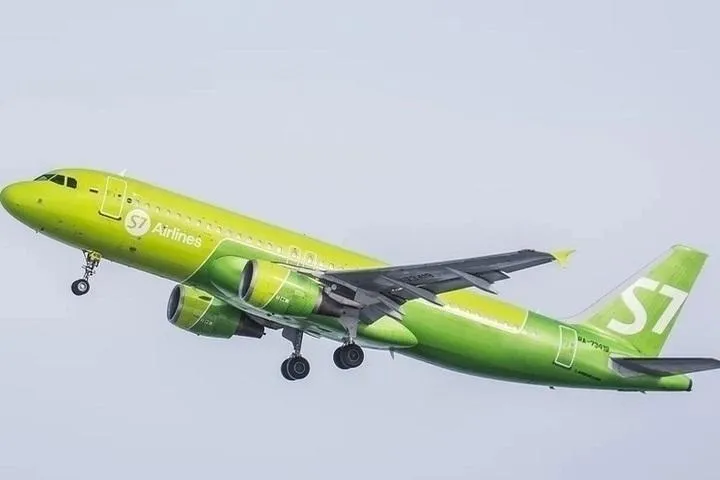
S7 Airlines launches Novosibirsk–Maldives flights, expanding Russian connectivity
31 October 2026

Coco Bodu Hithi named Indian Ocean’s Most Romantic Resort for third consecutive year
28 October 2026
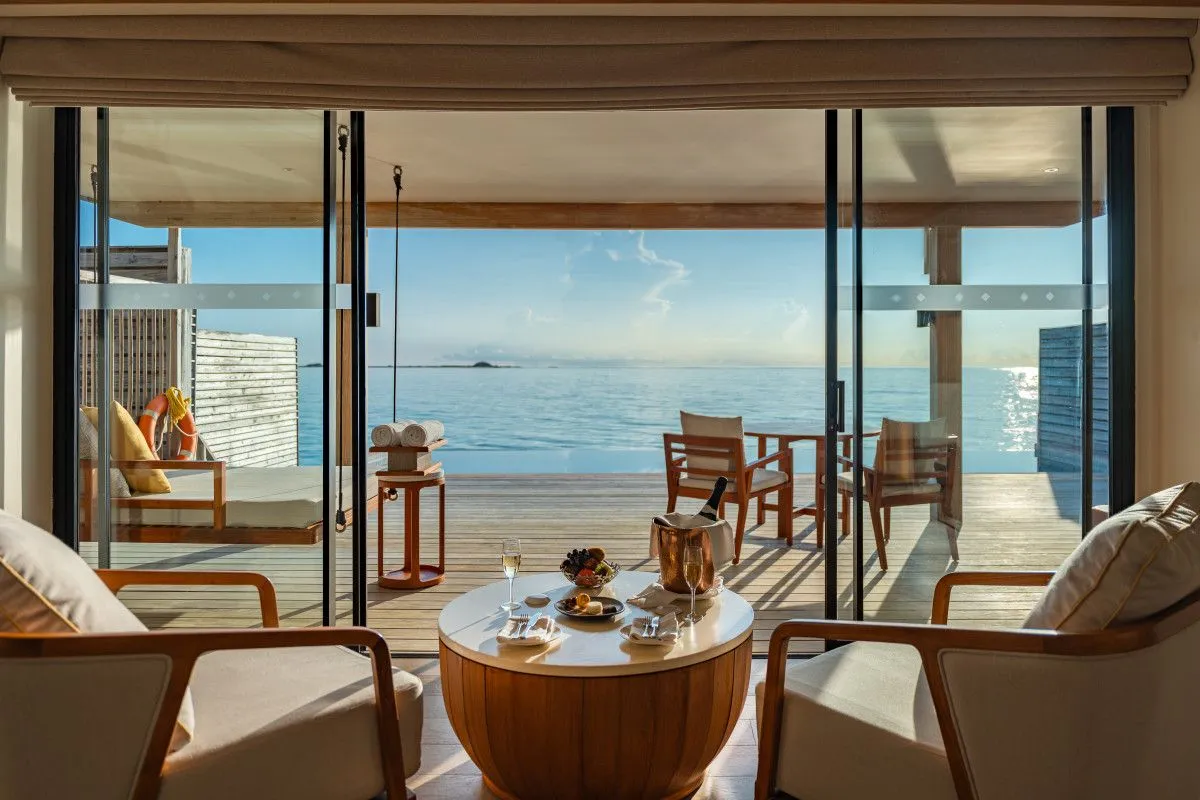
Kuda Villingili Resort Maldives joins MICHELIN Guide’s 2026 hotel selection
28 October 2026
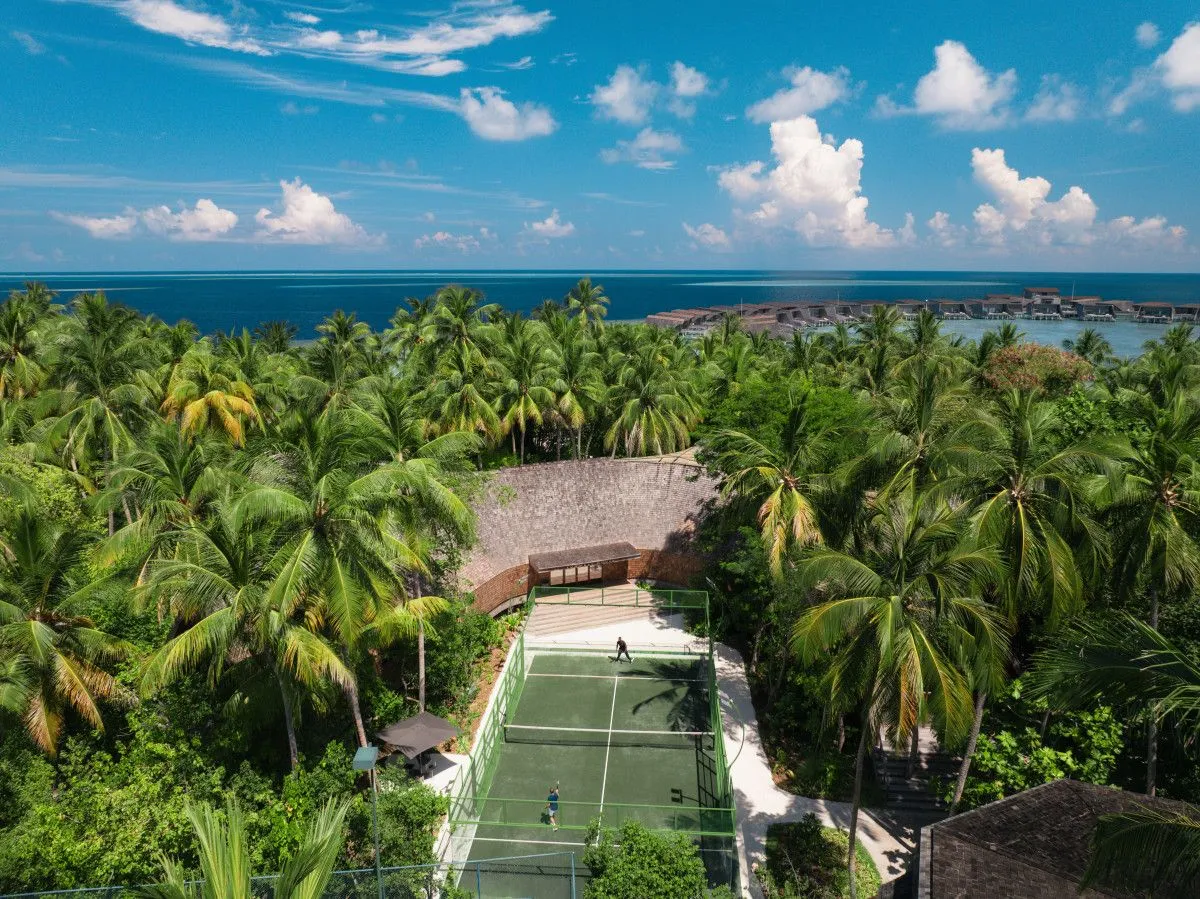
St. Regis Maldives to host tennis stars Daniil Medvedev, Paula Badosa and Donna Vekić
27 October 2026

Sun Siyam Vilu Reef introduces two new venues as it celebrates 28th anniversary
27 October 2026